Why a Singapore-based AI agent just reshaped the race for autonomous intelligence, and what it means for products you use every day
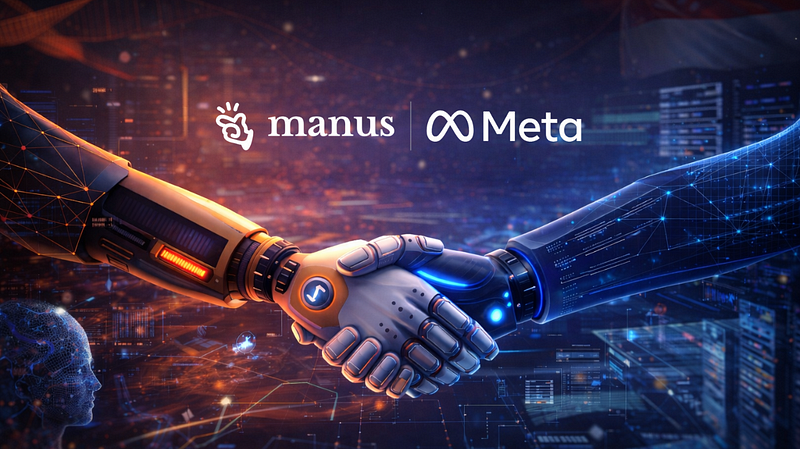
Meta Platforms made headlines near the end of December 2025 with a deal few saw coming. Worth more than $2 billion, it centered on acquiring Manus, a small firm that ran entirely on artificial intelligence systems. While big names in tech often stick to predictable patterns, this acquisition stood out. Instead of focusing just on chatbots, the acquisition points toward smarter, independent AI operations. Interest grew fast, given how quietly Manus had operated until now. Behind closed doors, they had been building tools that act without constant human guidance.
For Meta, stepping into this space seems less like a gamble and more like catching up with changes that are already underway. Major players are no longer adding features — they’re absorbing entire architectures. Quietly, the race has shifted from programming machines to owning minds built by them
This deal? It’s simpler than most think. What you’re looking at isn’t just another corporate move — it shifts how AI might grow from here. Here’s a clear breakdown of what this deal is about, why it matters, and how it could reshape the AI landscape.
What makes Manus different?
It isn’t a basic chatbot. This system works on its own to get things done in everyday settings. While most programs only write responses, this one thinks ahead, takes steps, then finishes jobs - needing little help from people. Picture it handling chores like organizing files, checking schedules, or sending updates - all by itself. It can, for example:
- Carry out the market research, collect the necessary information through different channels, and present the results in a well-organized report.
- Code for software projects according to user instructions, and then review it.
- Examine intricate data sets and produce valuable information.
- Execute the multi-step procedure that involves web research, data processing, and output formatting.
Manus acts sort of like a virtual digital assistant— only it actually completes tasks instead of explaining them. It takes care of things while you sit back.
The startup began in China before shifting base to Singapore by 2025 due to rising global pressures. Right after launch, its self-running AI system caught on fast, raking in more than $100 million yearly in under eight months while pulling in vast numbers of people along the way
What’s behind Meta’s push?
The purchase of Manus grabs attention as a key step forward. This move fits together through multiple linked factors that explain its logic.
Most people know tools such as ChatGPT — they answer questions when asked. Tools like Manus go further by acting instead of just replying. These systems take charge of tasks, whether it is building software or digging through data, all without constant human guidance. Big companies now rush to build this kind of independent thinking into their platforms.
For Meta, this means-
- Meta AI has introduced a new layer of intelligence in its flagship Meta AI assistant, which is the company’s main product.
- A feature that could automate tasks like drafting ad campaigns, organizing meetings, or generating reports across Facebook, Instagram, WhatsApp, and business tools.
- A model of service that no longer relies solely on conversations, but rather on AI as a real productivity platform.
This move from interactive replies to independent execution is of great importance. It changes the role of AI from a supporter that does not take the initiative to a partner that takes the lead.
Meta’s approach to leveraging Manus
Buying tech wasn’t Meta’s only move. Talent came along with it — people who’ve already shaped real user habits. What happens next? Expect integration that feels quiet but changes how things work behind the scenes.
1. Maintain and grow current services For now, Manus keeps running on a pay-to-use model via its online platform and mobile application. Existing members still get full access without surprise cuts, while Meta moves forward with linking systems together.
2. Strengthen Meta AI with Real Capability Most current tools just suggest or recommend next steps. Picture one that handles market research, writes full plans, and runs setups independently. This shift? Already starting. Manus’s autonomous agents can make big changes happen quietly.
3. Enterprise and Business Integration Meta could embed Manus features straight into WhatsApp Business — scheduling, replies, performance analytics. Not just that, Instagram’s creator suite might pull in smart planning tools too, which means less manual work.
4. Revenue Expansion Having successfully established a subscription business, Meta might be able to pack these cutting-edge AI capabilities along with the services already on offer or provide different access levels for the most profitable enterprise clients.
The Geopolitical Angle
One of the more unusual aspects of this acquisition is its geopolitical backdrop.
Headquartered today in Singapore, Manus started in China. Questions popped up fast — especially in Washington and Beijing — as both nations tighten rules on technology exports and argue over digital safety. With tensions climbing, Meta stepped forward openly, explaining its position-
- Any stake held by any Chinese entity in Manus has been completely removed.
- Shutting down its China-focused services, Manus is also closing related business activities there. Operations tied to the Chinese market will cease entirely.
- Access to sensitive data will be tightly controlled and geo-gated.
What stands out about the Manus deal is its rarity — a big AI purchase by an American company tied to a startup that began in China. It shows how building artificial intelligence can’t be separated from worldwide policies and regulatory dynamics anymore.
A Broader Signal to the Tech World
This purchase means something bigger is unfolding across tech. Not just a transaction between firms, but evidence of shifting ground underneath the industry
- Big Tech Is Betting on Autonomous AI Out there, where machines start thinking for themselves, giants such as Meta, Google, Microsoft, and OpenAI push hard into self-driven systems. Not merely answering questions — these tools take action. Manus gives Meta a leap forward.
- Mergers and Talent Wars Are the New Battleground Now it is less about who has the best model. What matters grows from how well a company uses its tools. Speed, setup, integration — these decide who moves ahead. Firms race not just to build smart systems but compete on the systems that turn AI intelligence into real outcomes.
- The Future of Work Is Being Redefined The introduction of AI agents such as Manus will very likely take over or enhance the entire process of performing various tasks that are usually done by human beings. It doesn’t matter if the owners of small businesses are getting insights through the agents or developers are testing ideas; the agents will certainly bring a new approach to the entire working process. To entrepreneurs, this is already a reality, not a possibility in the future.
Practical Real-World Impact
The following are some of the definite uses that would come with this technology being completely part of Meta’s ecosystem:
- A small business owner employs an AI agent to scrutinize the sales of the last quarter, spot the trends, and propose a social media strategy — then he/she has the ads running on Meta’s platforms through scheduling automatically.
- A freelancer asks the AI to provide a draft codebase for the new app feature and simulates it in a virtual environment, doing no manual setup beforehand.
- A marketing team relies on AI to merge competitor pricing, consumer sentiment, and industry news into a strategic report in minutes — and not in days.
All these examples have already made possible by Manus. Meta’s acquisition speeds up their ubiquity.
What This Means Going Forward
The acquisition of Manus by Meta indicates that AI is moving into a new season — from over-the-shoulder assistance to fully independent work systems. The consequences are far-reaching:
- Shorter timelines for AI feature development.
- Opportunities for automation tools and processes for enterprises, thus generating new revenues.
- An increased market share for Meta in AI, hence a stronger position in the global race.
This is news for everyone: developers, startups, and companies. It is a time vision into the future of AI-induced output and creativity — and it is happening now.
Looking to build a high-performing remote tech team?
Check out MyNextDeveloper, a platform where you can find the top 3% of software engineers who are deeply passionate about innovation. Our on-demand, dedicated, and thorough software talent solutions provide a comprehensive solution for all your software requirements.
Visit our website to explore how we can assist you in assembling your perfect team.