The Mythos Paradox: Why Anthropic is Hoarding the World’s Most Powerful AI
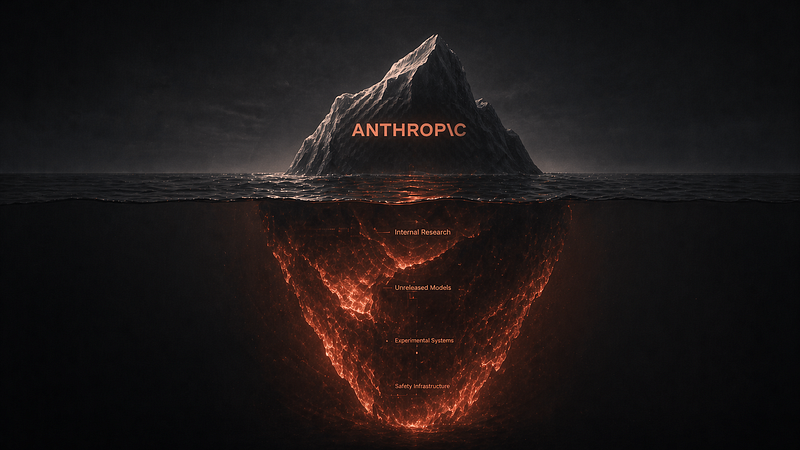
There is a question that a lot of people in the Artificial Intelligence community are talking about. This question is being discussed on developer forums and tech Twitter. The question is why Anthropic keeps its advanced AI models private or only releases them in a very controlled way.
At first, it seems like Anthropic is just trying to protect its products and make money. But if you read their research papers or public statements, you will see that the situation is more complicated.
This is what we call the Mythos Paradox. Anthropic is a company that really thinks it might be creating one of the most important and dangerous technologies in human history. Even while they think so, they are still working on it.
What is Anthropic actually doing?
Anthropic is a laboratory that focuses on safety first. They were founded in 2021 by OpenAI researchers, including Dario and Daniela Amodei. Anthropic says it is an AI safety company, not an AI products company.
Their published research is very serious, focusing on technical safety. In 2023, they introduced something called model cards and usage policies, which many of their competitors have copied.
Yet their AI model called Claude is getting more and more advanced. Claude 3 Opus performed better than GPT-4 on tests. Claude 3.5 Sonnet became very popular among developers immediately.
So what is going on?
The main problem is why Anthropic is building something that they think could be dangerous.
The question their critics keep asking is: if Anthropic really thinks AI is dangerous, why are they building it at all?
Anthropic answers that powerful AI will be created, no matter what. So it is better to have safety-focused laboratories working on it than other developers who are not thinking about the risks.
This is a decision that requires Anthropic to stay competitive by releasing advanced models, but not releasing everything they have. This is what it looks like when they are being careful about what they release.
The Responsible Scaling Policy: A Framework No One Asked For (But Everyone Needed)
In September 2023, Anthropic published something called the Scaling Policy. This is a document that says under what conditions they will and will not deploy their models.
It introduced something called AI Safety Levels, which is like a system of levels for how safe or dangerous a model is. The highest levels describe systems that could be used to cause harm or replicate on their own.
The framework says that Anthropic will stop deploying a model if it reaches a safety level without adequate safeguards in place. No other major AI laboratory has published anything like this.
What does it look like when Anthropic is being careful about what they release?
There is a gap between what Anthropic is researching internally and what they are releasing publicly. Anthropic has some of the world’s best AI researchers. They have published findings on how neural networks work, which is very important.
What they publish and what they deploy are two different things. There are probably model versions and research findings that Anthropic is not releasing yet, not because of competition, but because their own policy says — not yet.
From the outside, it looks like Anthropic is being secretive. From the inside, it is more like what a pharmaceutical company does when a new drug shows promise but has not been cleared as safe yet.
The question is who gets to decide what is safe when you are the one creating the technology.
Can Anthropic stay safe while still being competitive?
This is the truth at the centre of the Mythos Paradox.
Anthropic needs money to fund safety research, and to make money, they need to release products. To be competitive, they need to have capabilities, which is what they are trying to mitigate the risks of.
By some estimates, training a model costs a lot of money. Anthropic has raised a lot of money from investors, which means the market thinks safety-focused AI can be profitable. Investors want returns, and customers want the most advanced model available. Every month, a competitor releases a feature, and Anthropic has to decide whether to match it or not.
So far, they have mostly matched it while doing the safety work that does not show up in public tests.
Frequently asked questions about the Anthropics approach
1. Is Claude, the most advanced AI model, available?
It depends on what you’re using it for. On some tests, Claude 3.5 Sonnet has consistently ranked among the models globally.
2. Why does Anthropic not open-source its models?
Anthropic has said that open-sourcing a model means they cannot apply safeguards or monitor misuse.
Q: Is Anthropics’ safety work real or just for show?
The research is real. It has been peer-reviewed and cited widely. Whether the company is really committed to safety is a question that the AI safety community is still debating.
The Mythos explained
The word “mythos” is used deliberately here.
Anthropic has created a narrative that they’re the responsible ones. This attracts talent, funding and regulatory goodwill. Whether this narrative matches reality is not the point. Narratives shape behaviour, and a company that publicly commits to safety thresholds is more constrained than one that does not.
The paradox is that being careful about what they release might be necessary. If Anthropic released everything it had as fast as it could, it would just be another AI company racing to the bottom.
The deliberate friction, the policies, the staged rollouts, and the research that precedes deployment are the products and not Claude.
What this means for developers, enterprises, and everyone else
If you are building on Claude’s API, the Responsible Scaling Policy framework is new. It means the model you are using today will not change unexpectedly tomorrow.
If you are a competitor, it is a different story. Anthropics safety positioning gives them cover to move slower than the market might demand.
If you are just a person watching all of this from the outside, the Mythos Paradox is a preview of the central tension in AI development for the next decade.
How do you build something that could change the world while keeping the people building it accountable?
Anthropic does not have an answer yet, but they are one of the few organisations asking the question loudly enough that they have to live with it.
TL;DR
Anthropic is working on a technology that could be very risky. They press on, thinking that their careful approach is better than letting others do it without thinking about safety. They have rules like the Scaling Policy, which means they won’t add features until they are sure they are safe. Some people might think this is simply keeping things for themselves. Inside the company, it’s a deliberate choice to be careful.
There’s a problem: to conduct their safety research, they need money. To get money, they need to make products that compete with others. Making competitive products can expose them to the same risks they are trying to avoid.
Looking to build a high-performing remote tech team?
Check out MyNextDeveloper, a platform where you can find the top 3% of software engineers who are deeply passionate about innovation. Our on-demand, dedicated, and thorough software talent solutions provide a comprehensive solution for all your software requirements.
Visit our website to explore how we can assist you in assembling your perfect team.